

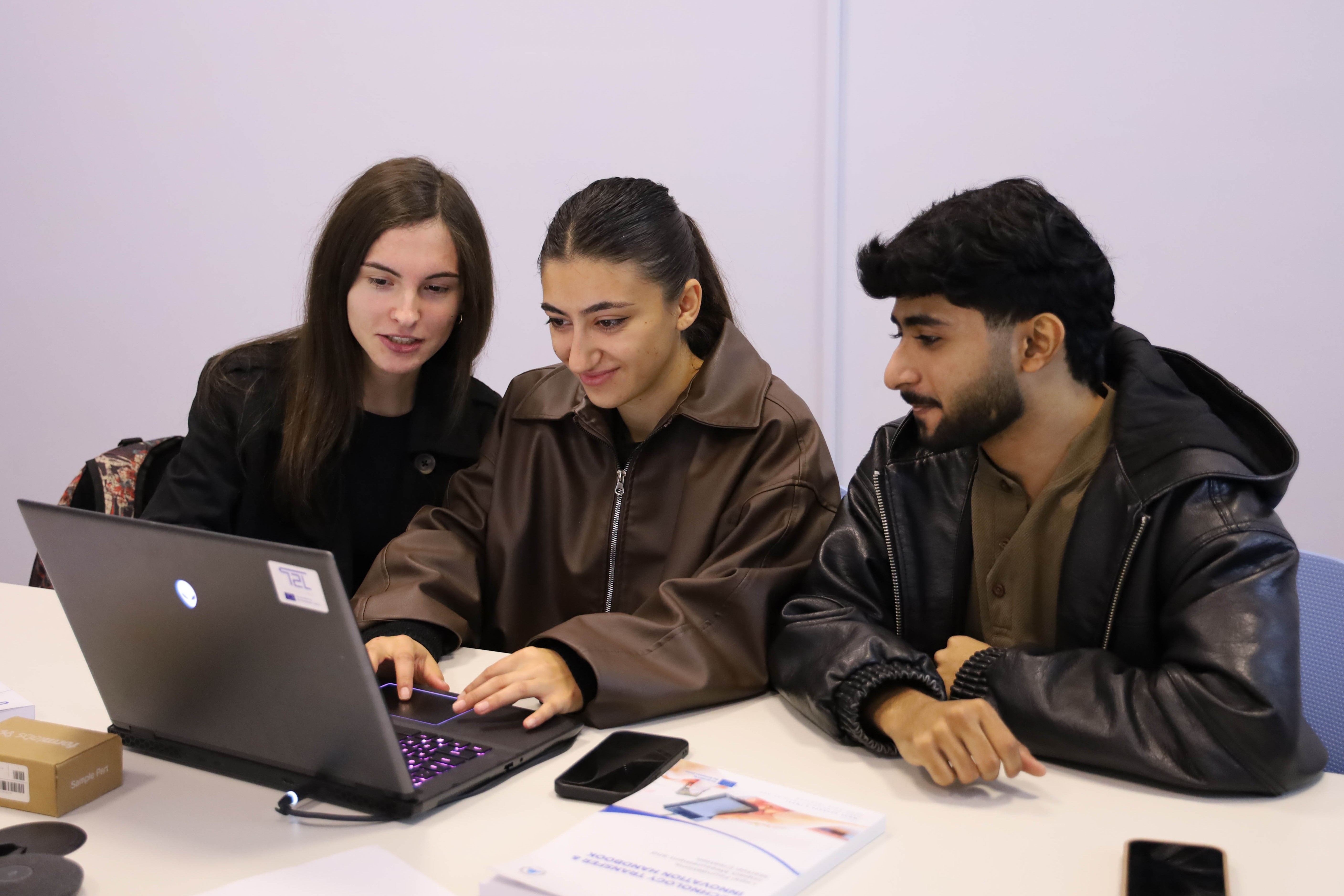
Third-year Biomedical Engineering students at Western Balkans University have developed HexaCast, an innovative concept that explores a new approach to finger fracture immobilisation by combining engineering principles, advanced materials, and patient-centred design.
The project focuses on the use of a lightweight, water-resistant polymer combined with a porous hexagonal lattice structure, designed to balance mechanical stability, controlled flexibility, and patient comfort.
The hexagonal structure offers potential advantages in material distribution, weight reduction, ventilation, and water drainage. Together with adjustable fixation mechanisms, the design aims to minimise moisture accumulation while maintaining the support required during fracture recovery.
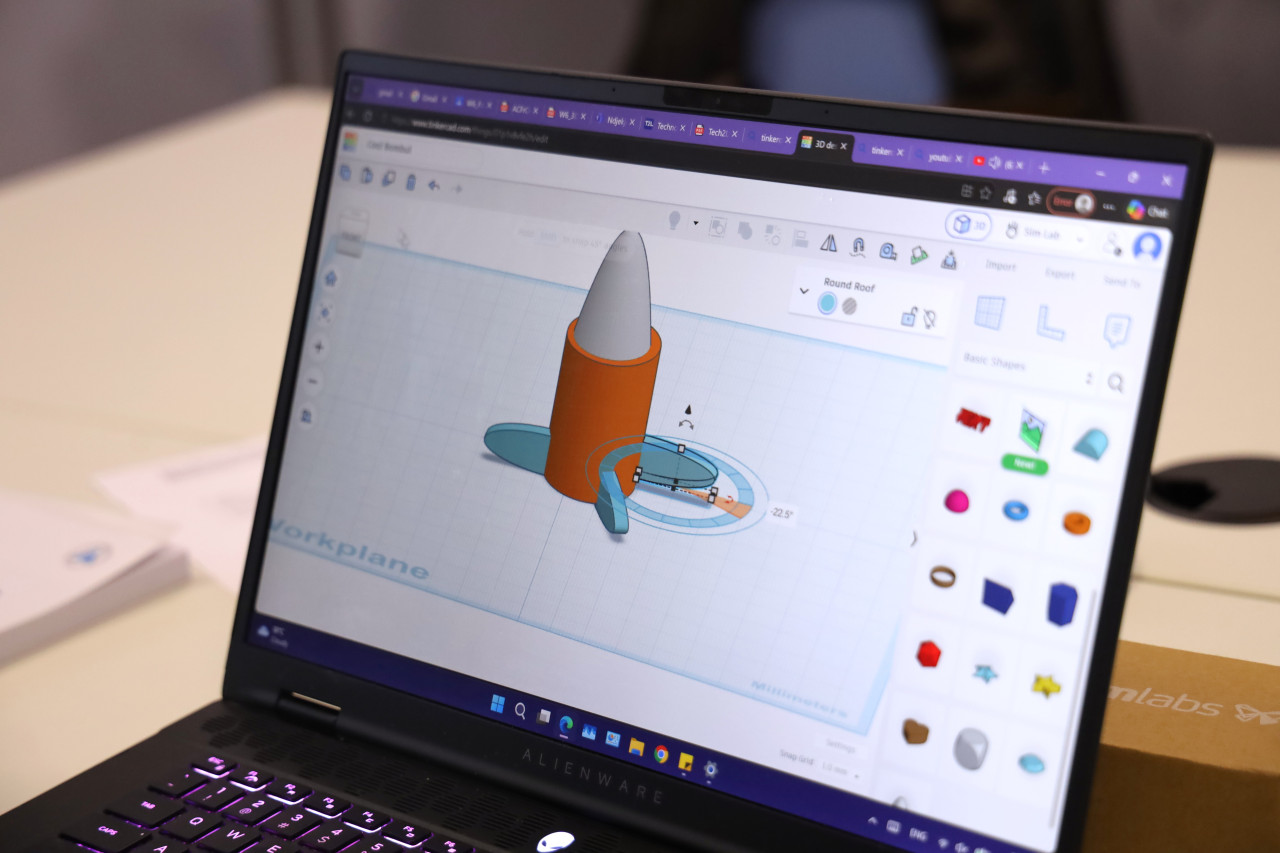
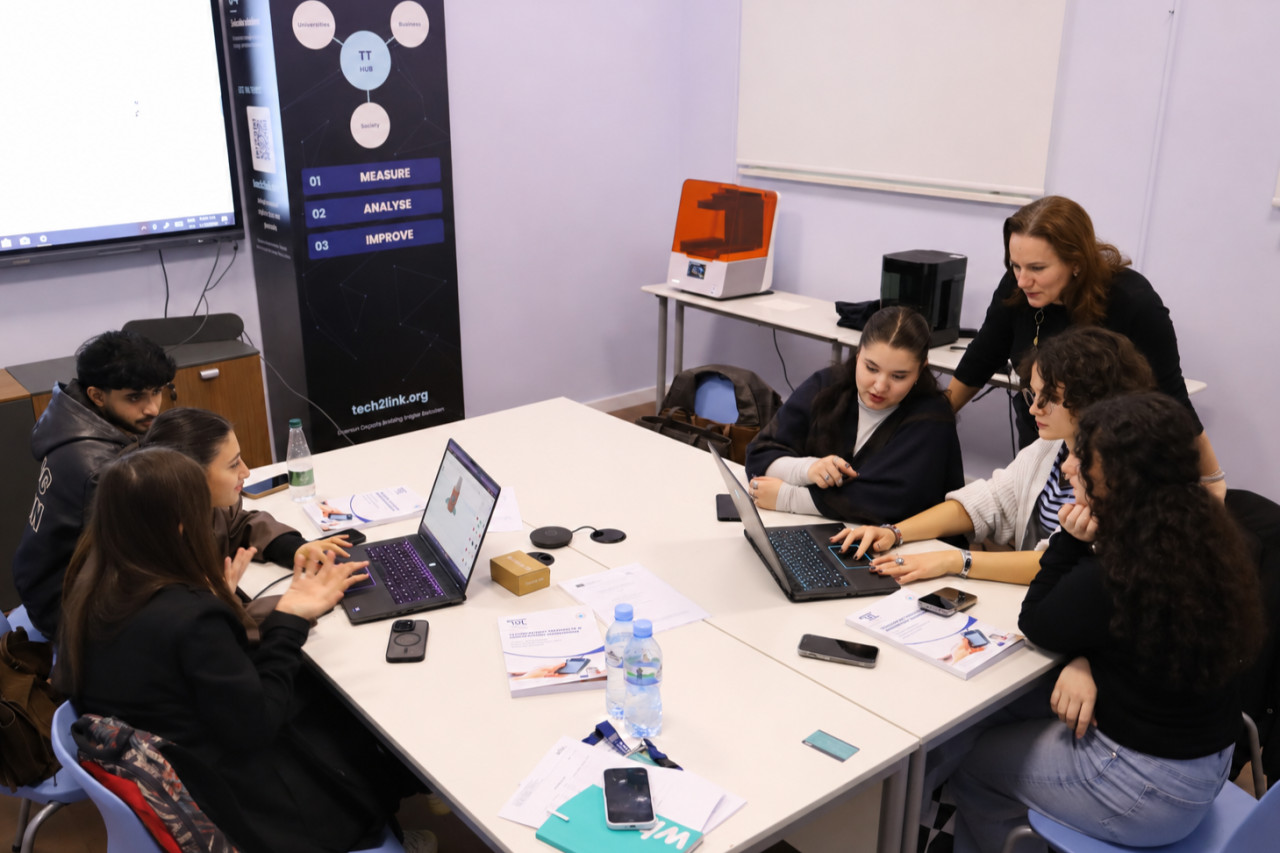
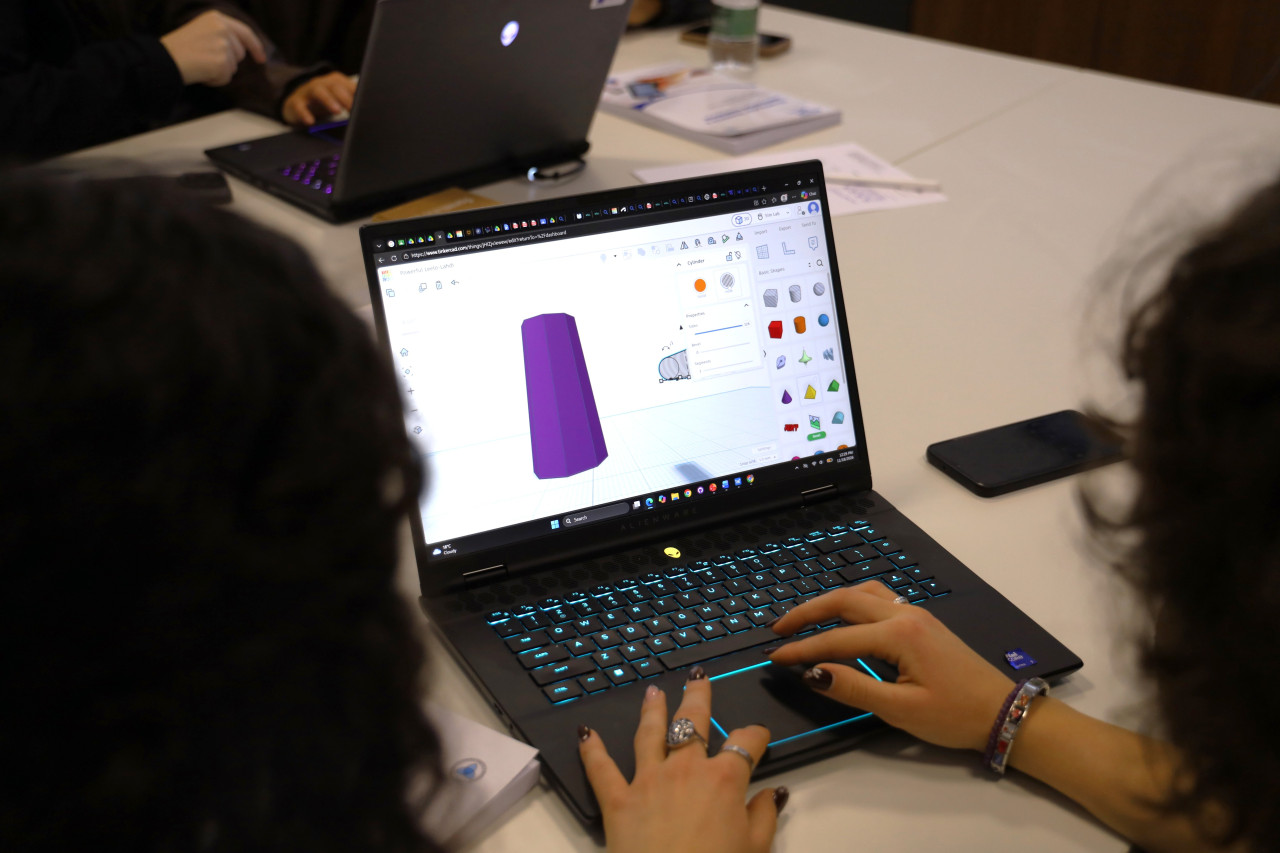
Through Computer-Aided Design (CAD) modelling, material exploration, and 3D prototyping, students are exploring how principles of biomechanics, structural engineering, and materials science can contribute to the development of practical healthcare solutions.
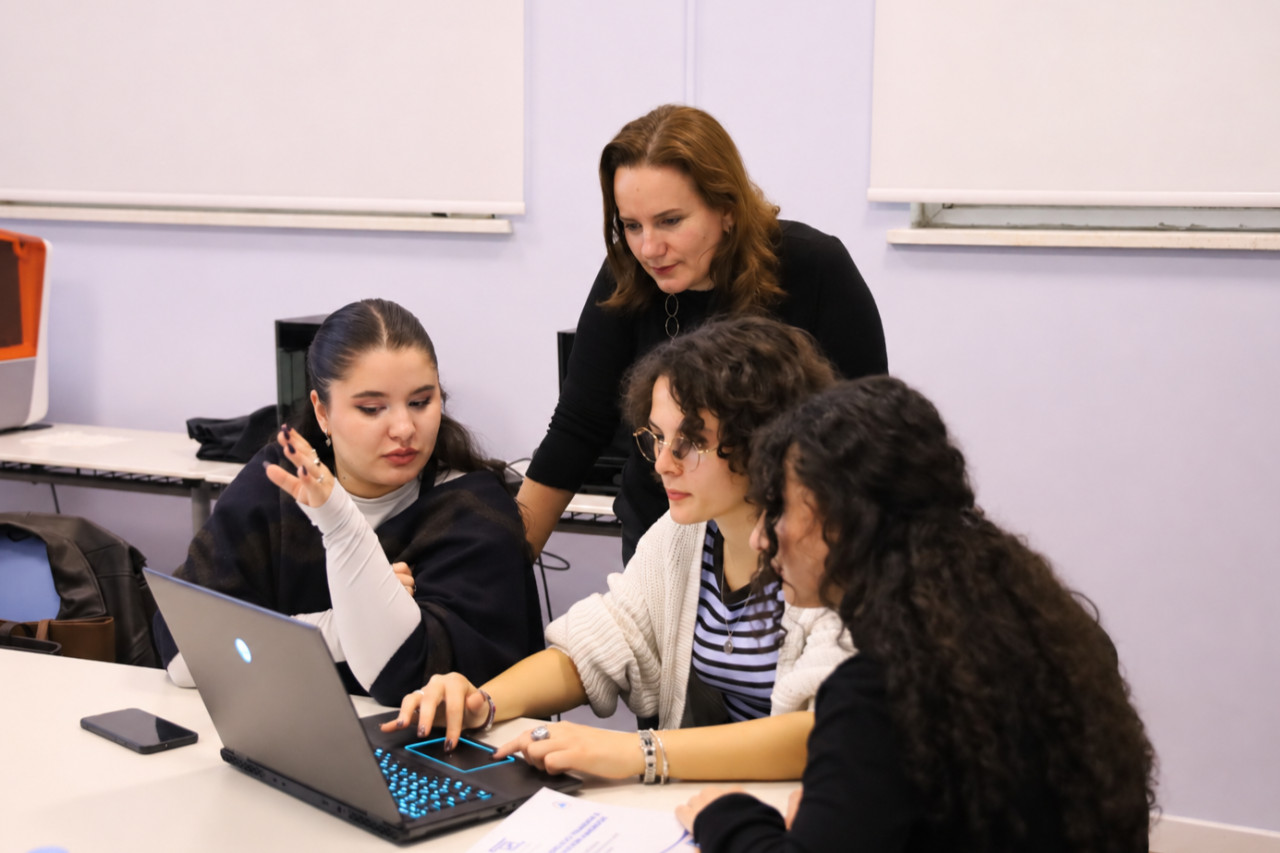
The HexaCast project highlights the importance of interdisciplinary learning, creativity, and innovation in Biomedical Engineering, demonstrating how academic knowledge can be translated into concepts that address real-world medical challenges.
Western Balkans University congratulates its students on their initiative, technical skills, and innovative approach to developing healthcare technologies.